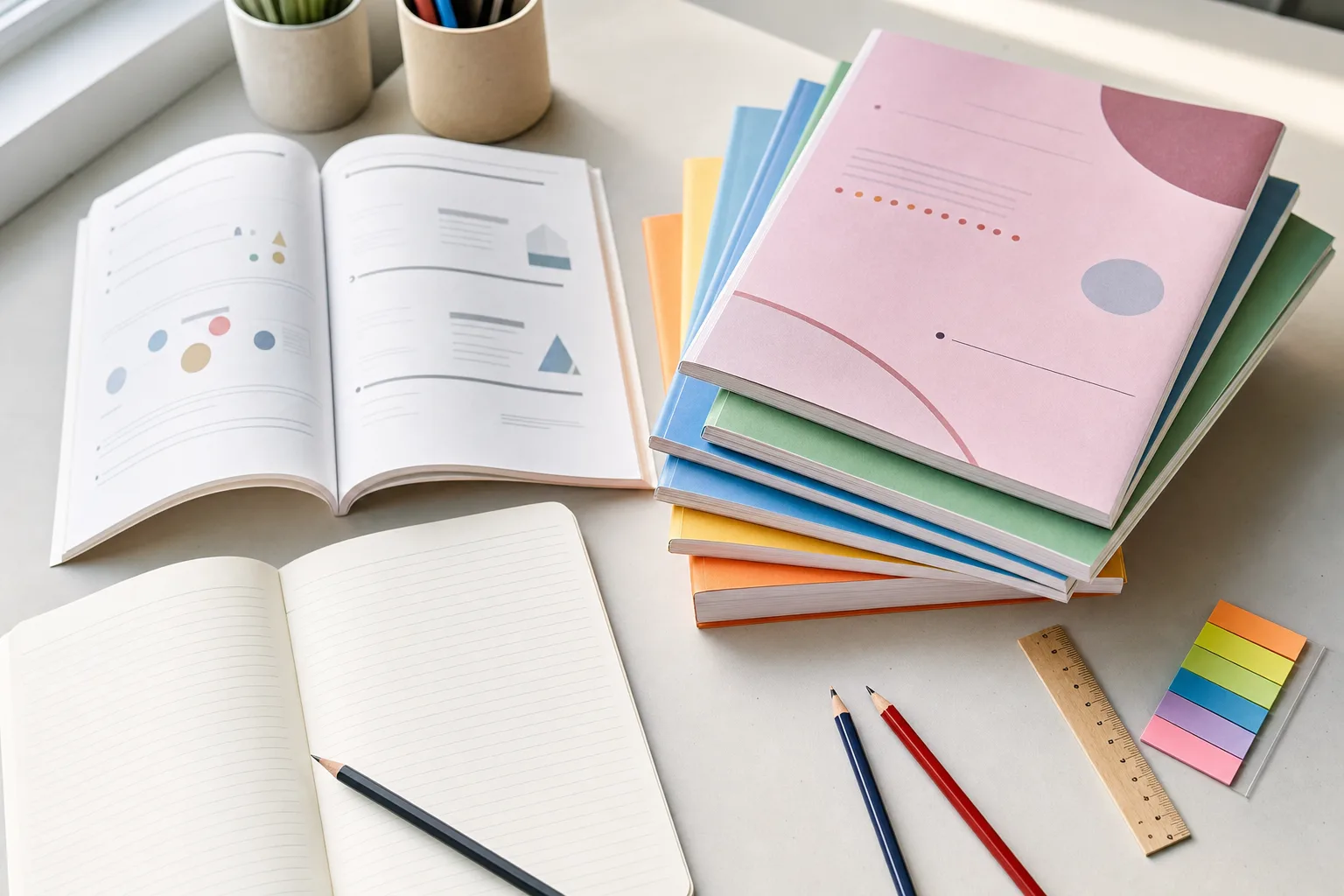
Primary learning should build solid ideas before speed. Use schoolwork and the teacher's comments to find the exact gap, then pick one book with clear examples, practice worth doing, and answers you can talk through.
How to choose and use primary school
Build the foundation
In lower primary, protect reading fluency, number sense and curiosity. In upper primary, add structured revision, timed practice and careful error analysis without turning every evening into an exam.
For the next step, plan for PSLE preparation.
Choose by need
Topical books help repair a narrow weakness. Mixed review checks whether a child can choose the right method. Full papers are most useful after the underlying content is secure. When that point comes, the past-year test paper catalogue holds school papers for every primary level.
For the next step, compare Primary mathematics resources.
Keep the load humane
A short, focused routine repeated through the week beats a weekend pile-up. Plan rest, reading and unstructured play alongside academic work.
For the next step, build a weekly study plan.
Signs primary school is working
| Focus area | Evidence to look for |
|---|---|
| Build the foundation | Your child can explain the idea in words, with objects or by drawing, before anyone asks them to go faster. |
| Choose by need | Topic practice closes the gap you named, and mixed questions show they can pick a method with no label to help. |
| Keep the load humane | Homework, reading, rest and play all still fit the week, and corrections are not piling up for the weekend. |
Try primary school for one week
Work through one small task, change one thing, then compare a later attempt. That gives you something you can act on, instead of another page-count target.
Start with: Build the foundation
Choose a recent task linked to build the foundation and let the learner try it under normal conditions. Record the first point where help is needed. Note what they can do unaided today, so the later comparison means something.
Try one change: Choose by need
Use one explanation, model or short practice set connected with choose by need. Keep the rest of the routine steady and discuss the first wrong decision. Watch for the sign listed against this focus in the table above.
Review after a delay: Keep the load humane
Use a fresh task without displaying the first solution. Ask the learner to explain the approach and check the result. Compare what you see now against the note you made on day one.
Keep the record short: note the task, first difficulty, support, correction and delayed result. Stop or change the approach when effort rises but the named evidence does not improve.
Build your own plan
Name one need for this topic, select the most useful part of the guide and describe the evidence you will review. The note stays in your browser and sends no student information to OpenSchoolbag.
This page supports education decisions in the area covered above. It cannot guarantee admission, examination results or product availability; changing claims need a current source.